Empowering Lives: Navigating Cancer Care with Knowledge and Support
Navigating the complex landscape of cancer care can often feel overwhelming, but unlocking the right knowledge can empower patients, families, and caregivers. When faced with a cancer diagnosis, it’s crucial to seek comprehensive medical information. Understanding the nuances of oncology, from tumor types to treatment options, allows individuals to make informed decisions in collaboration with healthcare professionals. It's said that knowledge is power, and in the realm of cancer care, this rings particularly true. So how can one arm themselves with the knowledge necessary for effective cancer care?
Engaging in cancer education is your first step. Educating yourself about your specific diagnosis—and the myriad of cancer treatment options available—enables you to approach your health with confidence. In addition to leveraging resources like peer-reviewed articles and trusted health blogs, joining a cancer support group can provide invaluable insights. Conversations with those who have walked a similar path can enrich your understanding and offer support that goes beyond the clinical aspects of care. What insights have others found helpful in their journey through cancer treatment?
Cancer awareness campaigns are vital for drawing attention to the importance of early detection and preventive health measures. Participation in these campaigns not only spreads awareness but creates a connected community of individuals committed to wellness tips and holistic health approaches. By sharing your story and engaging with cancer community forums, you contribute to a network that underscores the significance of patient advocacy. Have you ever considered how your experiences could inspire and educate others? Your voice matters!
Mental health in cancer care is another crucial aspect that shouldn’t be overlooked. The emotional toll of a cancer diagnosis can be just as impactful as the physical implications. Prioritizing mental well-being is essential, and incorporating mindfulness practices can truly enhance your overall health and wellness. Techniques like meditation, yoga, or simply taking time to reflect on your journey can foster resilience. As you engage with patient support systems, remember that supporting each other’s mental health creates a pillar of strength. What self-care rituals have you found most helpful during challenging times?
Finally, as the landscape of cancer research studies continues to evolve, new insights are unveiled that may alter the approach to treatment and survivorship. Staying informed not only equips you with the latest scientific advancements but also clears the path for discussions with your healthcare team regarding the best individualized care. The collaboration between informed patients and medical professionals fosters an environment where decisions are made collectively and thoughtfully. As you embark on this journey, remind yourself that the quest for knowledge is never-ending and, ultimately, empowers not just the patient but the entire cancer community. How will you make the most of the information available to you in your cancer care journey?
Building Community: The Power of Support Groups in Oncology
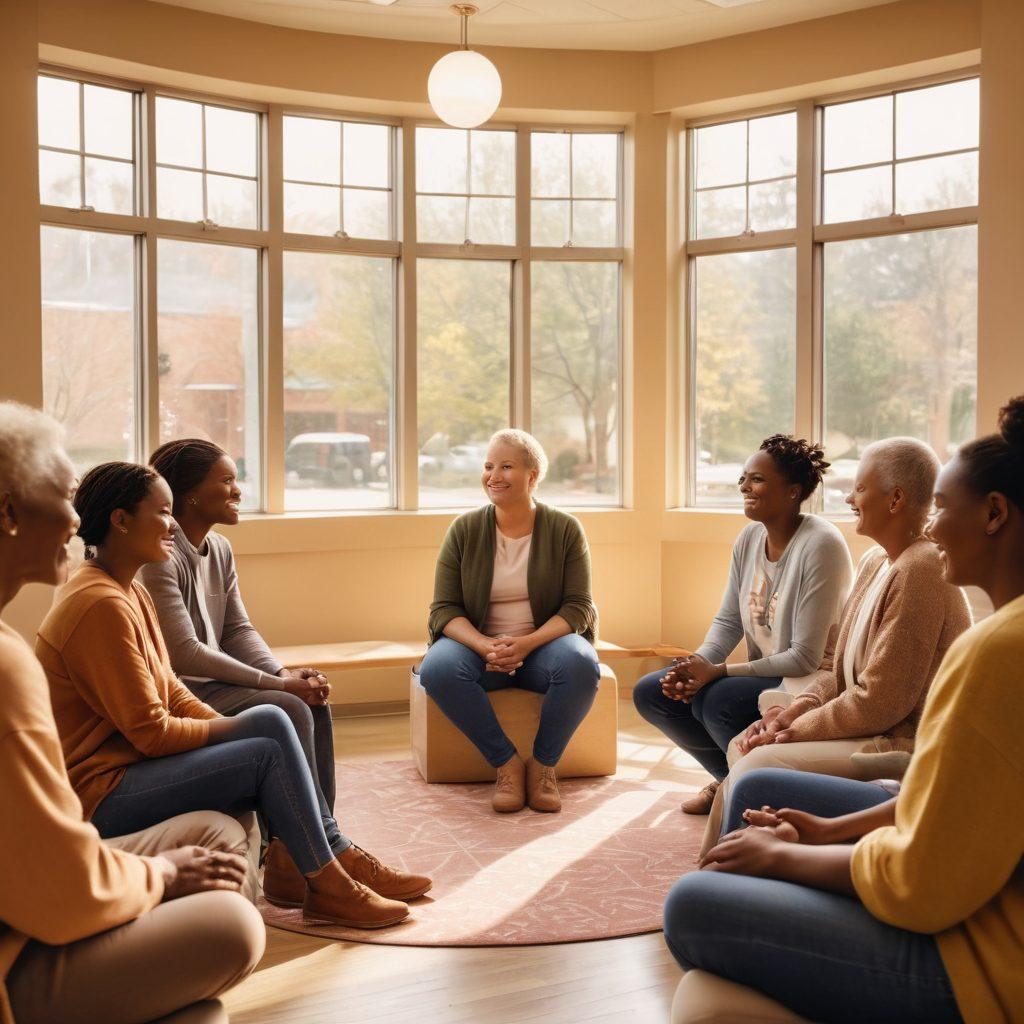
In the depths of a cancer journey, where fear and uncertainty often reign, the importance of community shines brighter than any treatment beacon. Imagine a space where others understand your struggles, share your fears, and champion your victories. Support groups in oncology provide just that—a haven where individuals fighting similar battles bond over shared experiences and insightful conversations. As the saying goes, 'We rise by lifting others.' These groups truly embody that spirit, creating a nurturing environment that empowers and uplifts.
Health and wellness are multifaceted concepts that extend beyond physical healing; they encompass emotional and mental well-being as well. Cancer support groups serve as vital platforms for cancer education, offering not just medical information about tumor types, cancer treatment options, and cancer research studies, but also addressing the emotional toll of diagnosis and treatment. Have you ever felt isolated during your cancer journey? Support groups are designed to break that isolation, reminding you that you are never alone in this fight.
In a world where cancer awareness campaigns work tirelessly to spread information, support groups act as grassroots movements, uniting patients and survivors alike. They foster connections that facilitate open discussions about wellness tips, nutrition and cancer prevention, and mental health in cancer care. This dialogue can significantly impact survivorship—after all, a well-informed patient is an empowered patient. Imagine the power of sharing a healthy recipe with someone who's struggling with nutrition; such exchanges can be a game-changer.
But building community isn’t merely about sharing facts and figures; it’s about authentic connections and emotional support. Have you ever found yourself sharing a laugh or a tear with someone who truly gets it? Those moments—where vulnerability meets understanding—are invaluable. Cancer community forums provide a unique platform for such interactions, allowing individuals to reach out for help and give support, creating a cycle of generosity and love. Your voice and story might just be the light someone else needs.
Ultimately, the journey through oncology is one of resilience and hope. Support groups encourage patient advocacy, reminding us of the strength we hold when united. By sharing experiences, tips, and advice, we equip ourselves better for the path ahead. Whether it's through local meet-ups or online forums, being part of a cancer support group offers not just companionship but also essential resources to navigate this health challenge. So, let’s raise our voices, share our stories, and build a community rooted in strength and compassion. After all, when we stand together, we can conquer not just cancer, but the fear that often accompanies it.
Navigating Your Journey: Comprehensive Resources for Cancer Patients and Survivors
When faced with a cancer diagnosis, the journey can feel overwhelmingly daunting. But what if I told you that knowledge is not just power, but also a guiding light through the dark paths of cancer care? Navigating this journey can be smoother with the right comprehensive resources at your fingertips. From understanding your treatment options to connecting with others in similar situations through cancer support groups, the right information can be a lifeline. So, let’s delve into the vast arena of oncology and explore how awareness and support can empower patients and survivors alike.
Imagine sitting at your doctor’s office, a flurry of medical information swirls around you—tumor types, treatment plans, and recovery strategies. It can feel like you’re trying to decode a foreign language. This is why cancer education is vital. Having access to clear and concise medical information regarding your specific diagnosis equips you to make informed decisions about your health and wellness. Curious about what practical steps you can take? Consider seeking out health blogs dedicated to wellness tips that resonate with your stage in the cancer journey.
Your emotional well-being is just as crucial as your physical health when it comes to cancer care. Mental health in cancer care shouldn’t be an afterthought; instead, it should be at the forefront. Stories from fellow survivors often reveal how connecting with others through cancer community forums or support groups helped them cope with anxiety and fear. They often say, 'You don’t have to go through this alone,' and that sentiment can be incredibly comforting during turbulent times. Have you considered joining a local or online support group to share your experience and learn from others?
Knowledge about nutrition and cancer can also play an impactful role in your journey. Research shows that preventive health measures, such as maintaining a balanced diet and abstaining from tobacco, can improve overall health outcomes for both patients and survivors. Nutrition is not merely about nourishing the body; it's also about embracing holistic health practices that foster recovery and resilience. So, what are some healthy meal ideas you can incorporate into your regimen? Keep an open mind, and explore relationships with nutritionists who specialize in oncology to craft an eating plan suited for you.
Lastly, understanding the importance of patient advocacy can redefine your cancer experience. Navigating the complex world of cancer treatment options and research studies can feel overwhelming without a guide. Engaging in cancer awareness campaigns, participating in survivorship programs, or even volunteering in patient support initiatives can enrich your life during this challenging phase. Remember, “Just because the journey is tough doesn’t mean you have to traverse it alone.” Are you ready to empower your journey with the resources and support available to you?